
Seasonal Eating for Optimal Health
Discover how eating with the seasons transforms your nutrition, energy, and wellbeing. Learn evidence-based insights from Vitalitynutritionflow about aligning your diet with nature's rhythm.
Why Seasonal Eating Matters
Seasonal produce is naturally optimized for your body's needs during each time of year. Spring greens detoxify, summer fruits hydrate, autumn roots ground, and winter vegetables sustain.
Peak Nutritional Value
Seasonal produce reaches full maturity at harvest, delivering maximum vitamins, minerals, and antioxidants. Locally-grown seasonal vegetables retain more nutrients than long-distance shipped alternatives.
Budget-Friendly Eating
When produce is in season, supply is abundant and prices naturally decrease. Eating seasonally helps you save money while supporting local farmers and reducing your carbon footprint.
Body-Season Alignment
Your body's nutritional needs shift with seasons. Summer requires hydrating fruits; winter needs warming, nutrient-dense root vegetables. Seasonal eating naturally supports these biological rhythms.
Seasonal Produce Guide
Explore what grows naturally throughout the year in the UK and how each season's offerings support your health.
Spring (March-May)
Fresh greens, asparagus, spring onions, and early herbs emerge. These tender vegetables are rich in chlorophyll and help cleanse your system after winter.
- Spinach, kale, lettuce
- Asparagus, peas
- Spring onions, radishes
Summer (June-August)
Abundant berries, tomatoes, courgettes, and stone fruits provide hydration and natural sweetness. Perfect for light, refreshing meals during warm months.
- Strawberries, raspberries, cherries
- Tomatoes, cucumbers, peppers
- Courgettes, green beans
Autumn (September-November)
Hearty squashes, apples, and root vegetables provide grounding energy as temperatures cool. Rich in fibre and complex carbohydrates.
- Pumpkin, butternut squash, carrots
- Apples, pears, beetroot
- Parsnips, leeks, mushrooms
Winter (December-February)
Cruciferous vegetables, citrus, and hardy greens dominate. These nutrient-dense foods strengthen immunity during cold and flu season.
- Broccoli, cabbage, Brussels sprouts
- Oranges, lemons, grapefruit
- Kale, turnips, celeriac
Year-Round Staples
Certain vegetables are available most of the year. Build your seasonal meals around these reliable foundations.
- Potatoes, onions, garlic
- Carrots, celery, mushrooms
- Eggs, legumes, nuts
Sourcing Tips
Make seasonal eating practical with these evidence-based sourcing strategies for maximum nutrition and freshness.
- Visit farmers' markets weekly
- Join a vegetable box scheme
- Check packaging for local provenance
How Seasonal Eating Supports Your Health
Eating seasonally isn't just a trend—it's supported by nutritional science and centuries of traditional wellness practices.
The Science Behind Seasonal Nutrition
When you eat produce at peak season, you receive the full spectrum of nutrients nature intended. Studies suggest that in-season vegetables may contain higher levels of antioxidants compared to out-of-season alternatives.
Your body also naturally craves what's seasonally available. Summer's high-water fruits hydrate during heat; winter's dense roots provide sustained energy in cold. This alignment reduces cravings and supports stable blood sugar.
Seasonal eating improves gut health by diversifying your microbiome with varied plant compounds throughout the year, rather than relying on the same imported produce year-round.
- Enhanced nutrient bioavailability and absorption
- Natural pesticide resistance in peak-season produce
- Support for seasonal immune function
- Improved digestion and energy levels
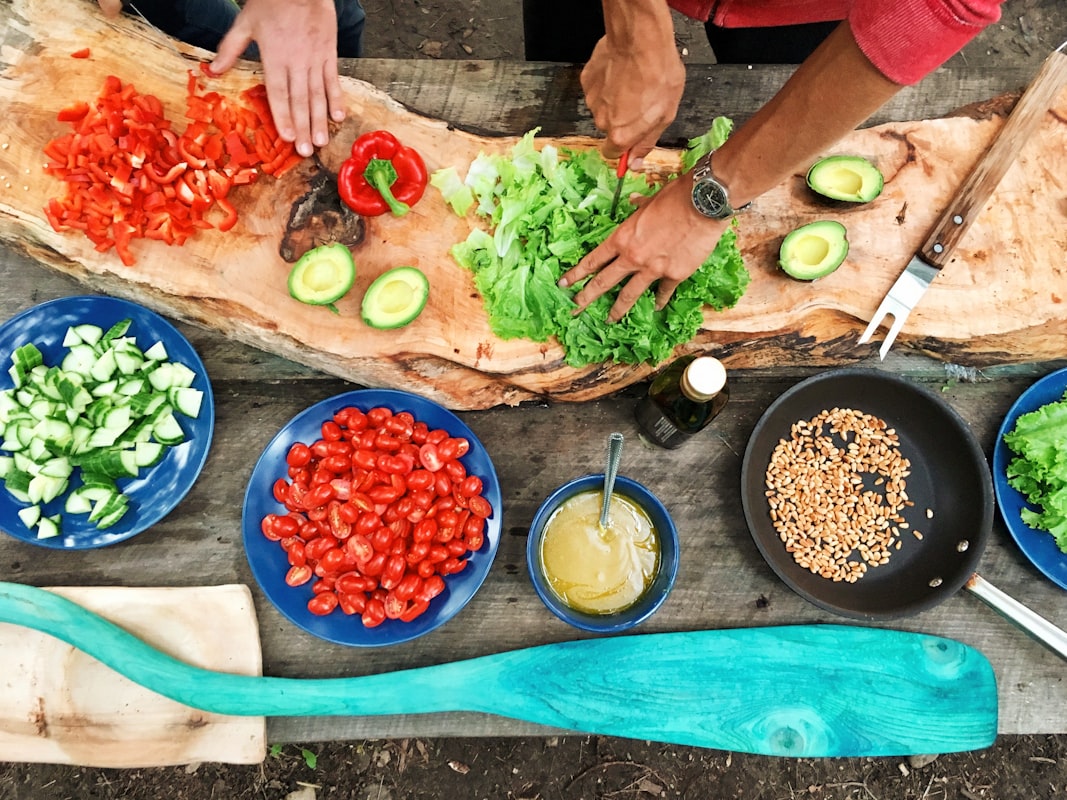
Getting Started with Seasonal Eating
Transform your diet gradually with these practical steps. No extreme changes needed—just intentional alignment with nature's calendar.
Learn Your Local Seasons
Start by understanding what grows naturally in the UK during each season. Visit your local farmers' market and ask vendors what's fresh. This builds awareness of your region's agricultural rhythms and connects you to local food systems.
Adjust Your Weekly Shopping
Replace 50% of your usual grocery list with seasonal produce. Choose items that are currently at peak harvest. This gradual transition helps your palate adjust while reducing food miles and environmental impact. Keep your pantry staples steady while varying fresh produce.
Plan Meals Around Seasons
Design your weekly menus based on what's seasonal. Cook lighter salads and grain bowls in summer; shift to warming soups and roasted roots in winter. This natural rhythm reduces decision fatigue, lowers food waste, and ensures your meals feel seasonally appropriate.
Observe Your Body's Response
Notice how you feel after adopting seasonal eating. Many people report improved energy and digestion. Note: individual results may vary. Keep a simple food and wellness journal to track patterns and identify which seasonal foods work best for your individual constitution.
What Our Readers Are Saying
"Your seasonal eating guide completely changed how I approach nutrition. I switched to farmers' market shopping and noticed my energy levels stabilized within weeks. No more afternoon crashes. The article about spring detoxification was eye-opening—I now understand why my body naturally craves greens after winter."
Sarah Mitchell
Nutritionist, London
"I was skeptical, but after trying these principles, my digestion feels much more comfortable. But after reading about how seasonal produce supports gut health, I gave it a try. Three months later, my bloating has reduced dramatically and I'm sleeping better. Plus, my grocery bills actually went down. Vitalitynutritionflow makes the science accessible."
James Rodriguez
Wellness Coach, Manchester
"I've tried countless diet approaches. What makes seasonal eating different is that it's not restrictive—it's intuitive. Your content helped me understand the 'why' behind eating seasonally. Now I look forward to each season's produce rather than feeling limited by availability."
Emma Chen
Health Writer, Edinburgh
"The seasonal produce guide is invaluable. I printed the spring/summer/autumn/winter charts and posted them in my kitchen. My entire family now knows what to expect at the farmers' market each week. Kids are actually excited about trying new vegetables. The environmental angle also resonated with us."
David Thompson
Family Wellness Advocate, Bristol
Ready to Align Your Diet with the Seasons?
Discover our comprehensive seasonal eating guide with monthly produce charts, nutrient breakdowns, and recipes tailored to each season's harvest.
Frequently Asked Questions
Stay Updated with Seasonal Nutrition Insights
Subscribe to receive our monthly seasonal eating guides, recipes, and evidence-based nutrition articles directly to your inbox.
We respect your privacy. Unsubscribe anytime. No spam.